
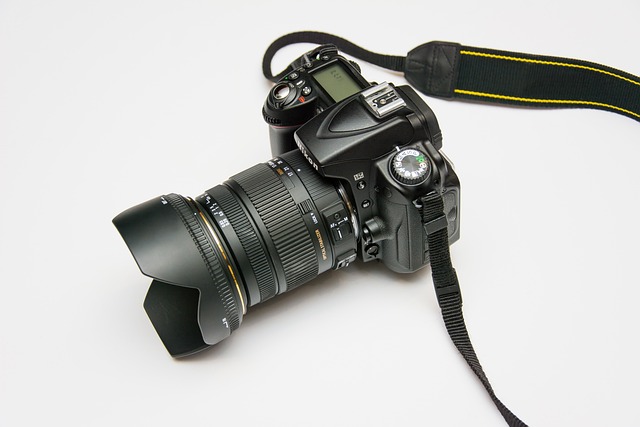
Camera technology has come a long way over the years, evolving from basic mechanical devices to sophisticated systems that can capture stunning visuals. From smartphones to professional-grade cameras, understanding the technology behind camera visuals helps us appreciate the power and potential of modern imaging.
At the core of camera technology is the sensor, which plays a crucial role in capturing and converting light into an image. Two main types of sensors dominate the market today: CCD (Charged Coupled Device) and CMOS (Complementary Metal-Oxide-Semiconductor). While CCD sensors offer high-quality images, CMOS sensors have become more popular due to their energy efficiency and cost-effectiveness.
The sensor captures light through pixels, which are tiny light receptors. These pixels convert light into digital information. The more pixels a sensor has, the higher the image resolution, which allows for more detailed visuals.
A camera lens focuses light on the sensor. The quality and design of the lens can significantly affect the sharpness and clarity of the image. Different lenses offer varying levels of zoom, focal length, and aperture size, all contributing to how a camera captures light. Wide apertures allow more light to enter, helping the camera perform better in low-light conditions and creating that blurry background effect (bokeh) that is often sought in portrait photography.
Autofocus (AF) technology is essential for capturing sharp images, especially in fast-moving scenarios. Modern cameras use various AF systems, such as phase and contrast detection, to ensure that the subject remains focused.
Another critical feature in many cameras is image stabilization (IS), which reduces the blurring effects caused by camera shake, especially in handheld shooting situations. There are two primary types of image stabilization: optical and digital. Optical stabilization uses physical components within the lens or camera body to reduce shake, while digital stabilization relies on software algorithms to correct the image after capture.
High Dynamic Range (HDR) technology helps capture an image’s broader range of light and dark areas. This technology is especially useful when shooting in environments with significant lighting contrasts, such as a bright sky with a dark foreground. HDR allows the camera to retain details in highlights and shadows, creating a more balanced image.
Low-light performance is another important aspect of camera technology. With larger sensors, better image processing, and higher ISO ranges, modern cameras can produce clear, vibrant images even in dim conditions. This particularly benefits photographers and videographers who often shoot in low-light environments.
As technology advances, cameras continue to become more compact, powerful, and versatile. New developments such as 4K and 8K video recording, AI-powered image processing, and virtual reality (VR) cameras promise to enhance further how we capture and interact with visual content. Whether you’re an enthusiast or a professional, understanding the fundamentals of camera visual technology allows you to make better choices and improve your imaging skills.
By understanding these aspects of camera visual technology, users can fully harness the potential of their equipment to create high-quality content. Whether capturing memories, creating art, or producing professional media, camera technology is more accessible and advanced than ever.