
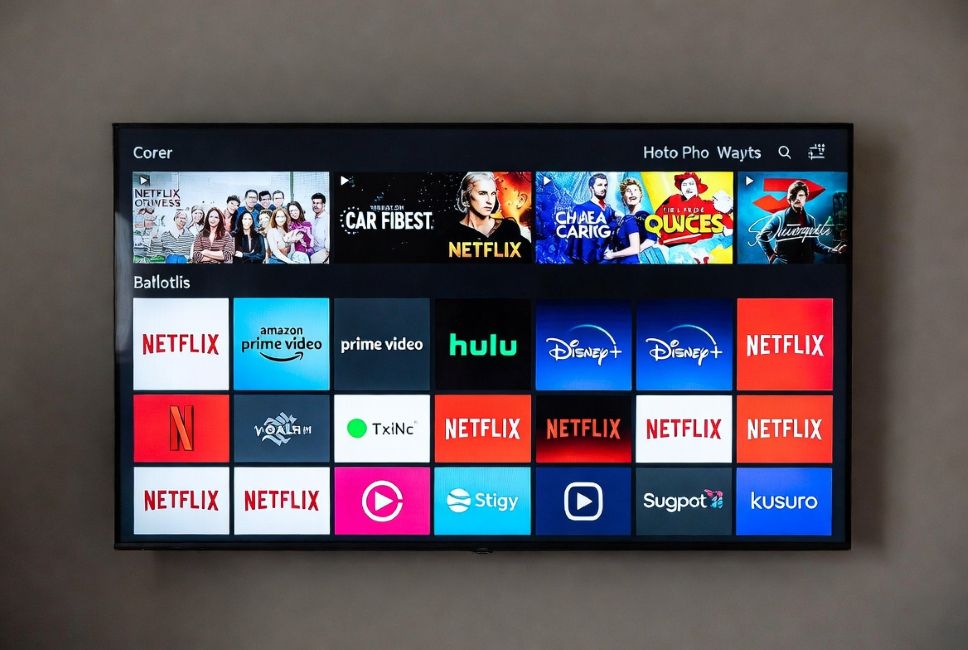
Global streaming subscriptions surpassed 1.8 billion in recent years, a signal of how quickly digital viewing has reshaped everyday habits. Data from Gitnux shows that audiences now expect instant access, smooth navigation, and personalized recommendations as standard features. These expectations are largely driven by visual technology, which has transformed how platforms present content and how users interact with it.
The modern viewer no longer settles for clunky menus or slow-loading interfaces. Instead, they expect a polished experience similar to how they get a service like Netflix (obtén un servicio como Netflix), where design feels intuitive and discovery happens almost effortlessly. Insights from Science Direct suggest that user interface design plays a direct role in engagement, with seamless navigation increasing viewing time and customer satisfaction.
Visual technology has redefined streaming by making platforms easier to use and more engaging. Clean layouts, smart recommendations, and adaptive interfaces allow users to find content quickly, even within massive libraries. Research from Nielsen indicates that viewers are more likely to stay on platforms where content is visually organized and easy to explore.
These advancements go beyond aesthetics. Smart TVs, mobile apps, and voice-enabled systems create an ecosystem where content flows across devices without friction. As a result, viewers experience a sense of continuity. Watching a series on a phone during a commute and continuing on a television at home now feels natural.
Design consistency also builds familiarity. When platforms adopt similar visual cues, such as horizontal scrolling rows or thumbnail previews, users can adapt quickly. This shared design language reduces learning curves and makes digital streaming feel universally accessible.
Despite these benefits, visual technology has introduced a complex challenge. The same design tools that enhance legitimate platforms can also be used to replicate them. Illegal IPTV services often mirror the look and feel of trusted streaming platforms, making it difficult for users to distinguish between licensed and unlicensed content.
Reports from the European Union Intellectual Property Office highlight that visual imitation is a common tactic among unauthorized streaming services. By copying interface elements, such as familiar layouts and recognizable icons, these platforms create an illusion of credibility.
This issue becomes more concerning when paired with device integration. Smart TVs and app stores allow users to switch between services with minimal effort. A platform that appears legitimate can be accessed in seconds, often without users questioning its legality.
Moreover, design patterns have become standardized across the industry. While this improves usability, it also means that illegal services can adopt the same patterns without raising suspicion. For many viewers, the difference between a licensed platform and an imitation lies beneath the surface, hidden behind identical visual experiences.
Visual cues strongly influence how users judge credibility. A clean interface, high-quality thumbnails, and smooth navigation often signal professionalism. However, these signals can be misleading when replicated by unauthorized services.
Experts from the International Telecommunication Union note that digital trust is increasingly tied to user experience design. When a platform looks reliable, users are more likely to engage with it, even if they lack clear information about its licensing status.
This creates a subtle but important shift. Trust is no longer built solely on brand recognition or reputation. Instead, it is shaped by how a platform feels. The danger lies in the fact that visual polish can mask underlying issues, leading users to make uninformed choices.
The solution does not lie in limiting visual innovation. Instead, it calls for a more responsible approach to design. Visual technology should guide users toward clarity, not confusion. This becomes even more relevant as broader industry shifts, such as shifting business models in visual design software, reflect growing demand for transparency, ownership, and user control. As Eye Groove notes, designers are increasingly pushing back against systems that limit access or obscure value, reinforcing the need for clearer, more honest digital experiences.
Platforms can integrate transparency into their interfaces by clearly displaying licensing information, content ownership, and verification badges. Subtle indicators, such as official seals or links to regulatory bodies, can help users make informed decisions without disrupting the viewing experience.
Industry collaboration is also essential. Organizations like the Motion Picture Association have emphasized the importance of educating users about legitimate streaming services. When combined with thoughtful design, these efforts can strengthen digital trust.
Regulation will likely play a role as well. As governments tighten policies around digital content, visual systems may need to meet certain standards that highlight authenticity. This shift could redefine how streaming platforms communicate legitimacy to their audiences.
The future of streaming will depend on more than convenience. While audiences will continue to seek platforms that offer seamless access, they will also expect greater clarity about where their content comes from.
Visual technology sits at the center of this evolution. It shapes how users navigate platforms, how they perceive trust, and how they choose between services. As the line between legal and illegal streaming remains blurred, design will carry a new responsibility.
Ultimately, the goal is to create an environment where enjoying content through a platform similar to a leading subscription service feels both effortless and secure. By aligning innovation with transparency, the streaming industry can ensure that ease of access does not come at the cost of user awareness.
Clearer visual signals, combined with informed audiences, may define the next phase of digital entertainment. In that future, design will do more than attract users. It will help them choose wisely.